
Guide
UGC Usage Rights in India: What Brands and Creators Need to Know
Usage rights define where and how long a brand can use your UGC video. Most disputes happen because rights were vague or assumed. Spell out organic, paid ads, whitelisting, duration, and exclusivity in every brief before filming starts.
On this page
Quick answer: UGC usage rights
Most creator-brand disputes happen because rights were vague. Spell out platforms, duration, modification rights, and exclusivity in every brief or contract.
What are UGC usage rights?
When a brand pays you to make a UGC video, they are paying for a license to use that video in specific ways for a specific time. The license terms are the 'usage rights'. Without written rights, both sides assume different things - creators think the video is organic-only, brands think they own it forever.
Written usage rights protect the creator from unpaid commercial use and protect the brand from surprise disputes after deploying the video in expensive ad campaigns.
The five rights types you need to know
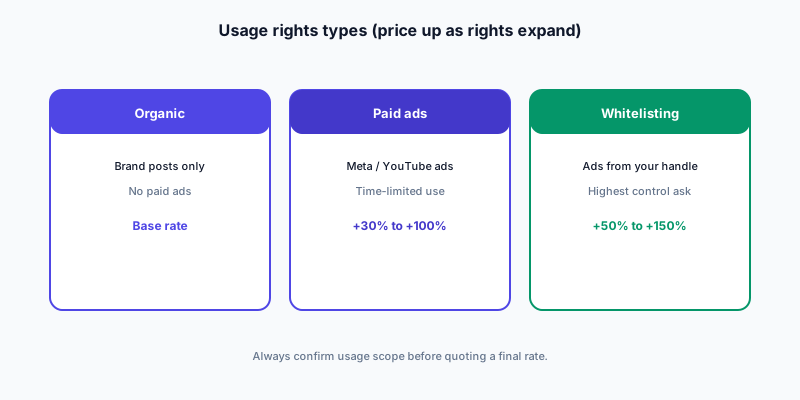
Rights packages are additive. A brand asking for paid ads + whitelisting + 6-month exclusivity should pay significantly more than organic-only base rate. Price each element separately when quoting.
| Rights type | What it covers | Pricing impact for creator |
|---|---|---|
| Organic only | Brand's owned social channels, website, email | Base rate |
| Paid ads | Meta, YouTube, Google, and other paid ad libraries | +30-100% on base rate |
| Whitelisting | Brand runs ads from your creator handle (not their brand account) | +50-150% on base rate |
| Perpetual license | No expiry date on usage - brand can use forever | +40-80% vs 90-day license |
| Exclusivity | Creator cannot make UGC for competitor brands during a set period | +25-75% on base rate |
Organic vs paid ads: the most common confusion
Organic use means the brand posts the video to their Instagram feed, Facebook page, website, or email list. They use it from their brand account. This is the base package.
Paid ads use means the brand uploads your video to Meta Ads Manager, YouTube ads, or Google Display and pays to show it to millions of people. This is substantially different commercial use and should always cost more. Many new creators quote organic rates and are surprised when their video appears in Meta ad campaigns.
- Always ask: 'Will this be used in paid ads?' before confirming your quote
- If the brief says 'Meta ads', 'ad creative', or 'Ads Manager', that is paid ads usage
- Charge 30-100% more than your organic base rate for paid ads rights
- Specify in your application note: 'This quote covers organic use. Paid ads rights are priced separately.'
Whitelisting explained
Whitelisting (also called creator licensing or partnership ads) means the brand runs paid ads from your creator Instagram or Facebook handle instead of their brand account. The ad appears to come from you - 'Creator Name is promoting BrandX' - which can improve ad performance because it looks more authentic.
Whitelisting requires you to grant the brand access to your ad account or use Meta's Partnership Ads feature. It is optional, never assumed, and should be priced separately. Running ads from your handle means your audience may see ads for the brand - factor this in.
For creators: what to confirm before quoting
- Ask: 'Is usage organic only, or will you run this as paid ads?'
- Ask: 'Do you need whitelisting - ads from my handle?'
- Ask: 'What is the license duration?' (30 days, 90 days, 1 year, perpetual)
- Ask: 'Is exclusivity required? For which category and how long?'
- Write the agreed rights in your application message or email so there is a record
- If rights were not stated in the brief, email for clarification before starting filming
For brands: what to include in every brief
- License duration in plain language: '90 days from delivery date'
- Platforms allowed: Instagram, Facebook, WhatsApp, YouTube, website, email
- Whether paid ads usage is included - and if so, in which ad libraries
- Whether whitelisting is required - and if so, duration and platform
- Exclusivity scope: specify category (e.g., 'no competitor skincare UGC for 60 days') not 'exclusivity'
- Revision count: one round is industry standard
Raw files and editing rights
By default, creators deliver the final edited video. Brands cannot edit, cut, or remix the video unless the brief specifically grants editing rights. Some brands ask for raw footage so their in-house team can create multiple cuts.
Raw footage is an upsell. Price it at 25-50% extra on the base rate. Delivering raw footage also means the brand can make edits that change your message or misrepresent the product - clarify any restrictions on how raw files can be used.
Instagram brand collaboration and usage rights
When Instagram brand collaboration deals involve UGC-style videos posted to the creator's feed, usage rights still apply. A brand reposting your collaboration post to their own feed or running it in paid ads requires separate written permission beyond the original collaboration agreement.
For a full guide to Instagram brand collaboration deals, outreach, and collaboration post formats in India, see the Instagram collaboration hub linked below.
Common rights mistakes
- Creators quoting without asking about paid ads use - then seeing their video in a Meta campaign months later
- Brands assuming 'full rights' from vague brief language - usually means something different to each party
- No duration specified - 'perpetual use' assumed by brand, '30 days' assumed by creator
- Exclusivity scope undefined - creator cannot work in any category for 6 months vs only competitor brands
- Whitelisting not priced - brand requests ad account access after deal is agreed at organic rate
FAQ
Can brands use my UGC video in Meta ads?
Yes, but only if paid ads usage was included in the brief and you agreed to that rate. Organic-only briefs do not grant paid ads rights. If you see your video running as a Meta ad without paid ads rights having been agreed, you can request the brand take it down or negotiate payment for the additional use.
Is whitelisting mandatory?
No. Whitelisting is optional and must be requested in the brief and priced separately. If the brief does not mention whitelisting, you have not agreed to it. Never grant ad account access without a written whitelisting agreement.
Who owns the raw video file?
Typically the creator owns the raw footage. The brand gets the final edited export as licensed in the brief. Raw footage delivery requires a separate agreement and additional payment.
Can I reuse the same UGC video for another brand?
Only if your exclusivity clause allows it. If no exclusivity was agreed, you can technically use similar footage for another brand. If exclusivity was agreed (e.g., no competitor skincare UGC for 60 days), honor that scope for the agreed duration.
What is a reasonable exclusivity period?
30-90 days for category exclusivity is common in India. Longer exclusivity (6+ months or perpetual) should attract a significant premium. Never agree to broad 'all categories' exclusivity - specify the product category only.
Should whitelisting be in every UGC brief?
No. Only require whitelisting when you plan to run partnership ads or identity ads from the creator's handle. Standard UGC for your brand's own ad account does not need whitelisting.